
A good garden.
A clear beginning.
From the first useful conversation to a connected plan. Begin with the change you need, then agree the work your space deserves.
Find your starting pointWhat would make
the difference?
Choose a starting point to see the kind of direction it gives you. Every service begins with an agreed area and a clear scope.
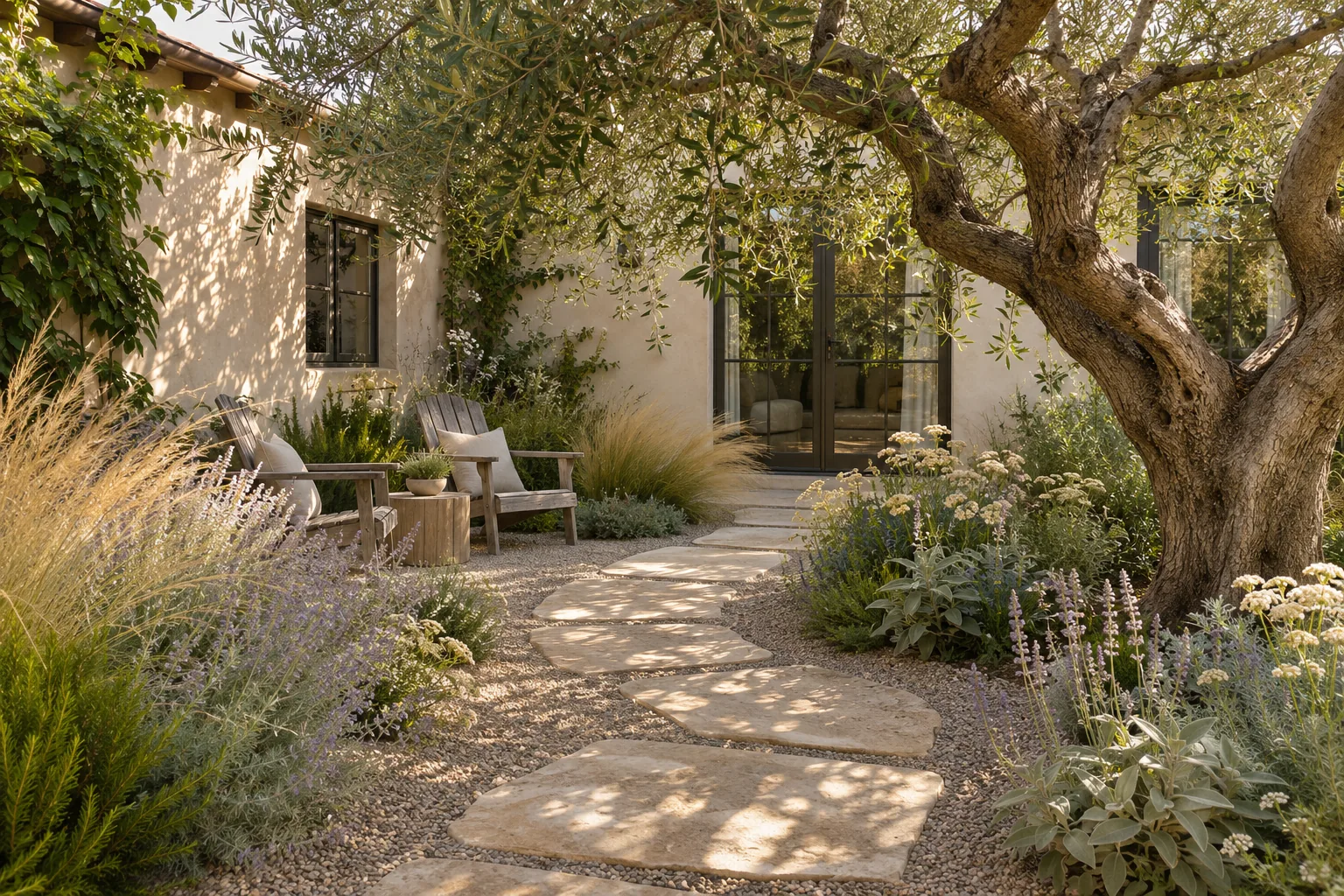
A written starting point
For a new idea, a difficult corner or a garden that needs a clearer direction.
Read the output & scope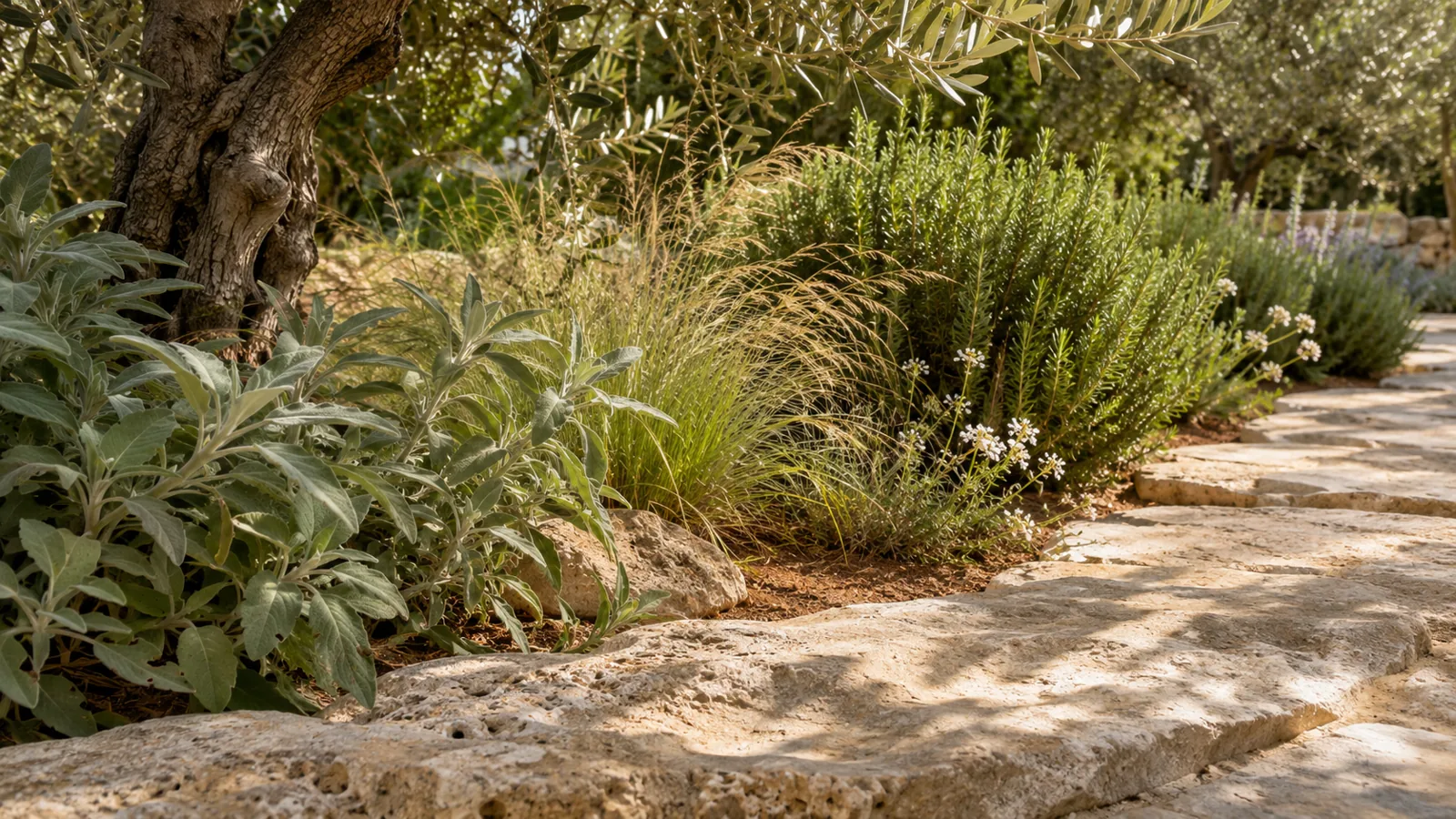
A prioritised seasonal list
For an established garden that needs a practical plan for the coming season.
Read the output & scope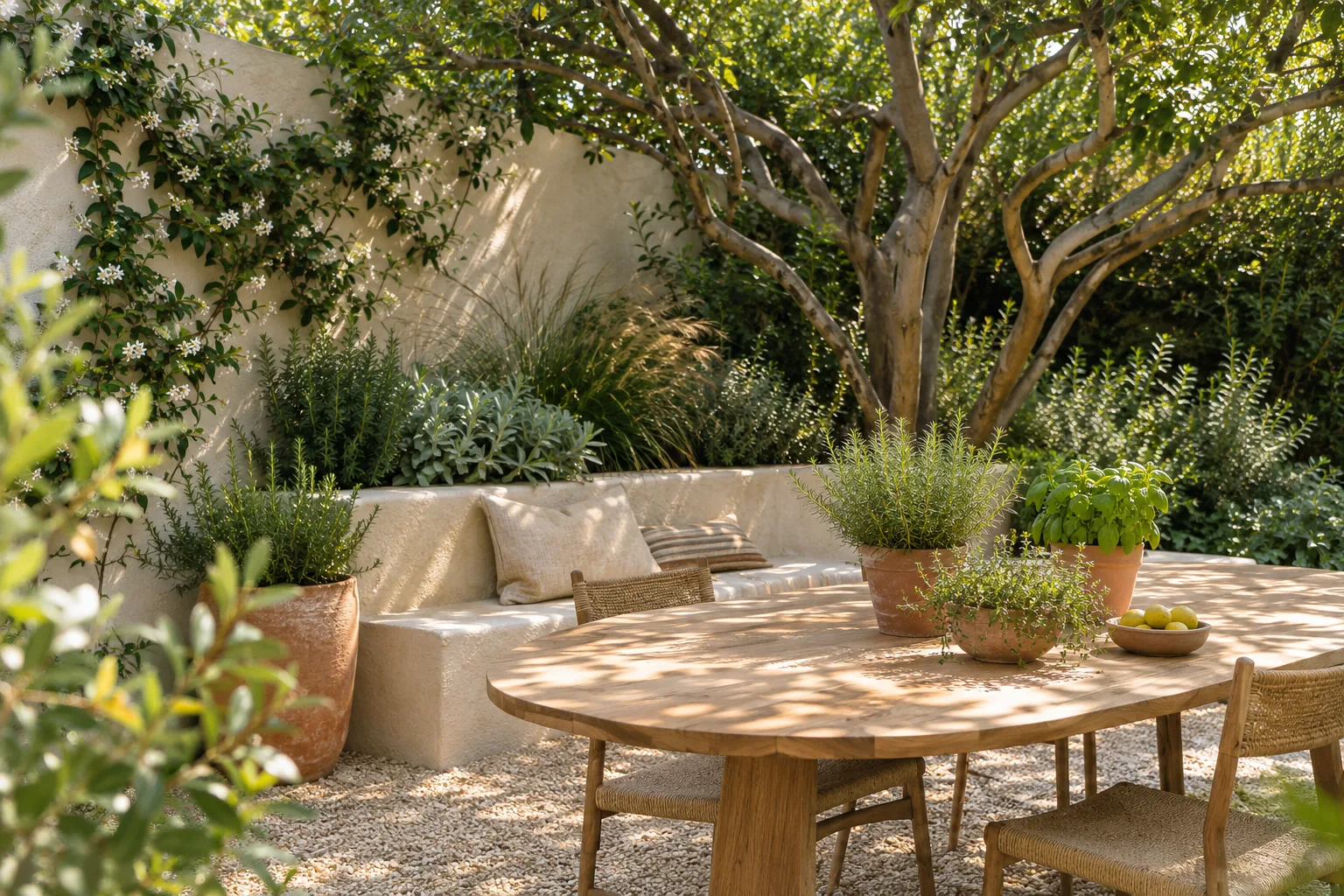
A planting layout & plant schedule
For a border, courtyard or existing space where the planting needs to work as one composition.
Read the output & scope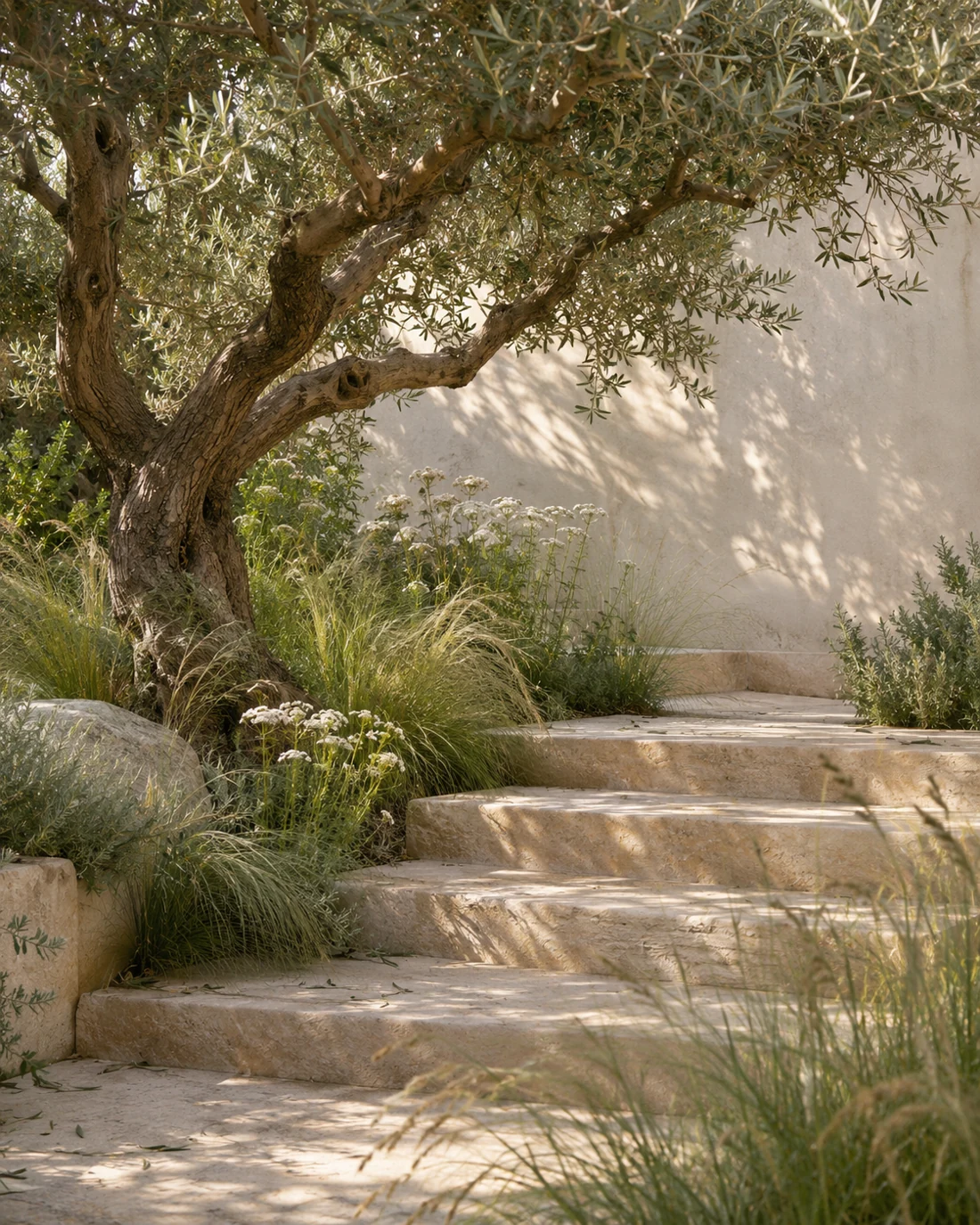
A connected landscape concept
For a space where circulation, gathering places and planting need to be considered together.
Read the output & scopePhotographs are separate garden studies. The output examples below explain the documents; they are not assessments of these photographed sites.
Before a plan,
clear direction.
Understand the garden before deciding what comes next.
What do you want
the garden to do?
- Notice
Light at the hours you use the space. The routes you take. What already feels good.
- Prioritise
The change you most want to make, and the part of the garden that needs it.
- Take forward
A written summary of the starting direction and the next steps to consider.
Where does the sun fall during the hours you would actually use the garden?
Illustrative summary structure / your notes follow your own garden.
What you take away
- A walk through the priorities, light and everyday use of the space.
- A written starting-point summary and suggested next steps.
Useful to bring
Bring a few photographs, approximate dimensions and the one thing you most want the garden to do for you.
Where this scope ends
Advice and a starting direction; measured drawings, installation and a planting specification are separate services.
BEGIN WITH WHAT IS ALREADY GROWINGThe next season.
In a useful order.
Turn observations into a practical order of work.
A list that fits
the garden and your life.
Use these prompts to prepare for the visit. The actual task list follows the review.
0 of 3 preparation prompts checked
The review identifies priorities. Any work to follow is discussed before a separate quote.
What you take away
- A review of plant condition, watering patterns and routine care.
- A prioritised seasonal task list with work to discuss before a separate quote.
Useful to share
Share photographs, the approximate garden size and any recurring watering or plant-health concerns.
Where this scope ends
The visit and agreed review only. Tree work, waste removal, pest treatment and replacement plants need separate agreement.
Planting layers.
Planned together.
Bring an agreed planted area into one composition.
Composition study / no species or surveyed spacing specified.
Illustrative document format. Species, quantities, positions and spacing follow the agreed area and site conditions.
What you take away
- A planting concept for the agreed area, with placement and spacing.
- A plant schedule and establishment-care notes for the proposed palette.
Useful to gather
Gather dimensions, sun and shade observations, existing plants to retain and a realistic maintenance preference.
Where this scope ends
Design documentation for an agreed area. Plant supply, soil preparation, irrigation design and installation are quoted separately.
One garden.
Connected ideas.
Consider movement, use and planting together.
Seven stones, a six-seat table and three planted beds belong to one original courtyard model.
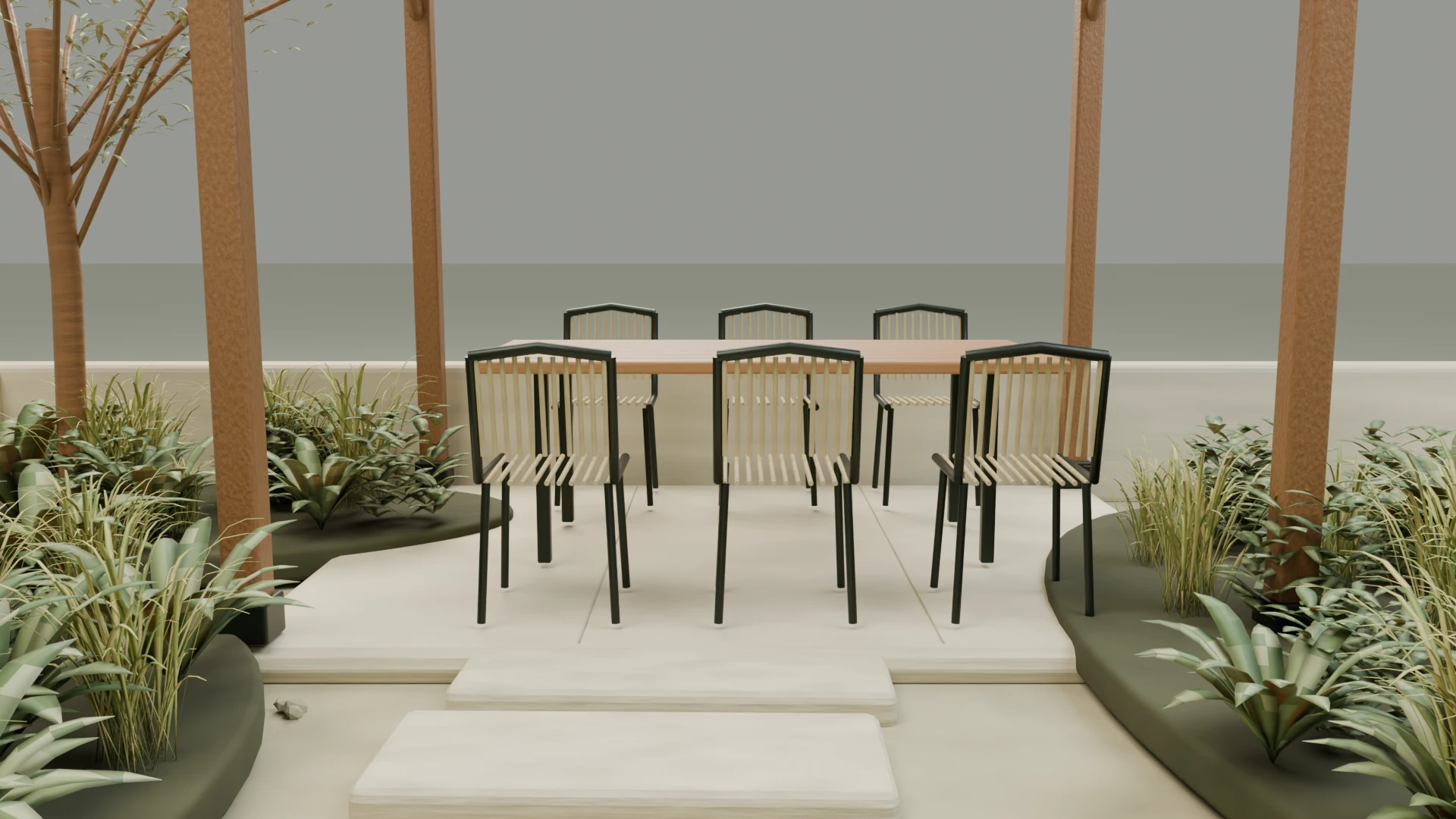
Concept diagram and eye-level image share the same authored model. This example has no surveyed orientation or dimensions.
What you take away
- A concept layout connecting access, usable space and planting zones.
- A material direction and a phased set of priorities for the agreed brief.
Useful to share
Share site photographs, a measured plan if available, access constraints and the range you hope to invest.
Where this scope ends
Concept design, subject to the written scope. Surveying, engineering, permits, construction documents and building work are separate.
Good work starts
with clear decisions.
01Choose the right starting point.
A consultation helps when direction is the missing piece. A seasonal visit reviews an established garden. A planting plan concentrates on an agreed planted area; landscape design connects the wider space.
02Agree what the work includes.
Share the area, priorities and constraints before agreeing the written scope. The listed prices are starting points; planting and landscape work are quoted after consultation. Design documentation and on-site work have different scopes.
03Decide what should happen next.
Use the agreed direction to decide the next step. Plant supply, installation, specialist work and construction need their own agreement where relevant. An inquiry starts that conversation; it does not confirm an appointment or work.
Bring your garden
into the conversation.
Start with the service that feels closest. You can review your choice and the information you share in the private Visit workspace.
Begin where
you are.
Choose a starting point to see its actual scope, the work you take away and the things to agree separately.
Bring your place.
We begin there.
The photographs and observations you already have can help make the first conversation useful.
01Your place+
A few photographs and approximate dimensions. Include the door, access and the corners you find difficult.
02Your everyday+
Who uses the space, when they use it, and the one change that would make the most difference.
03Your priorities+
What matters first, what can wait and the level of ongoing care that feels realistic.
LET’S BEGIN WITH YOU.