
Life comes first.
Tell us how you want to spend time outside. We look at the existing garden, its light, its routes and the things you would like to change.
WHAT FOLLOWS
A shared brief and an agreed starting point.
We plan how you enter the garden, where you sit and which areas need shade. Planting and materials follow the use of each space.
How the project develops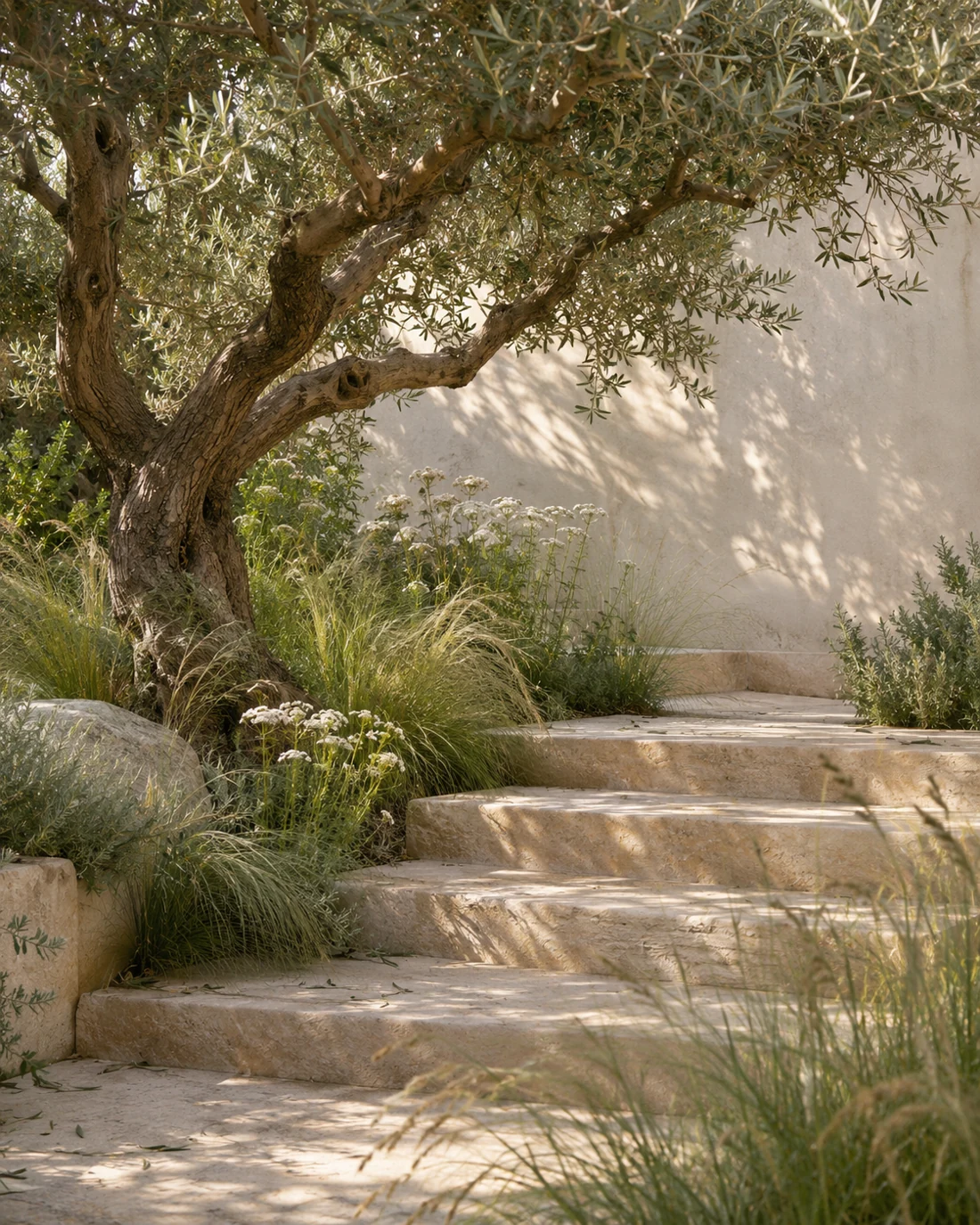
We review the existing garden and how you want to use it before developing the layout. Plant selection follows the site conditions and the maintenance you can provide.
Tell us how you want to spend time outside. We look at the existing garden, its light, its routes and the things you would like to change.
A shared brief and an agreed starting point.
Bring paths, places to gather and planting into one direction. Explore the priorities together before adding detail.
A clear direction for the agreed area.
Choose the next stage to suit the space and the care you can give it. Agree specialist work separately and set out the next steps.
A written scope and practical next steps.
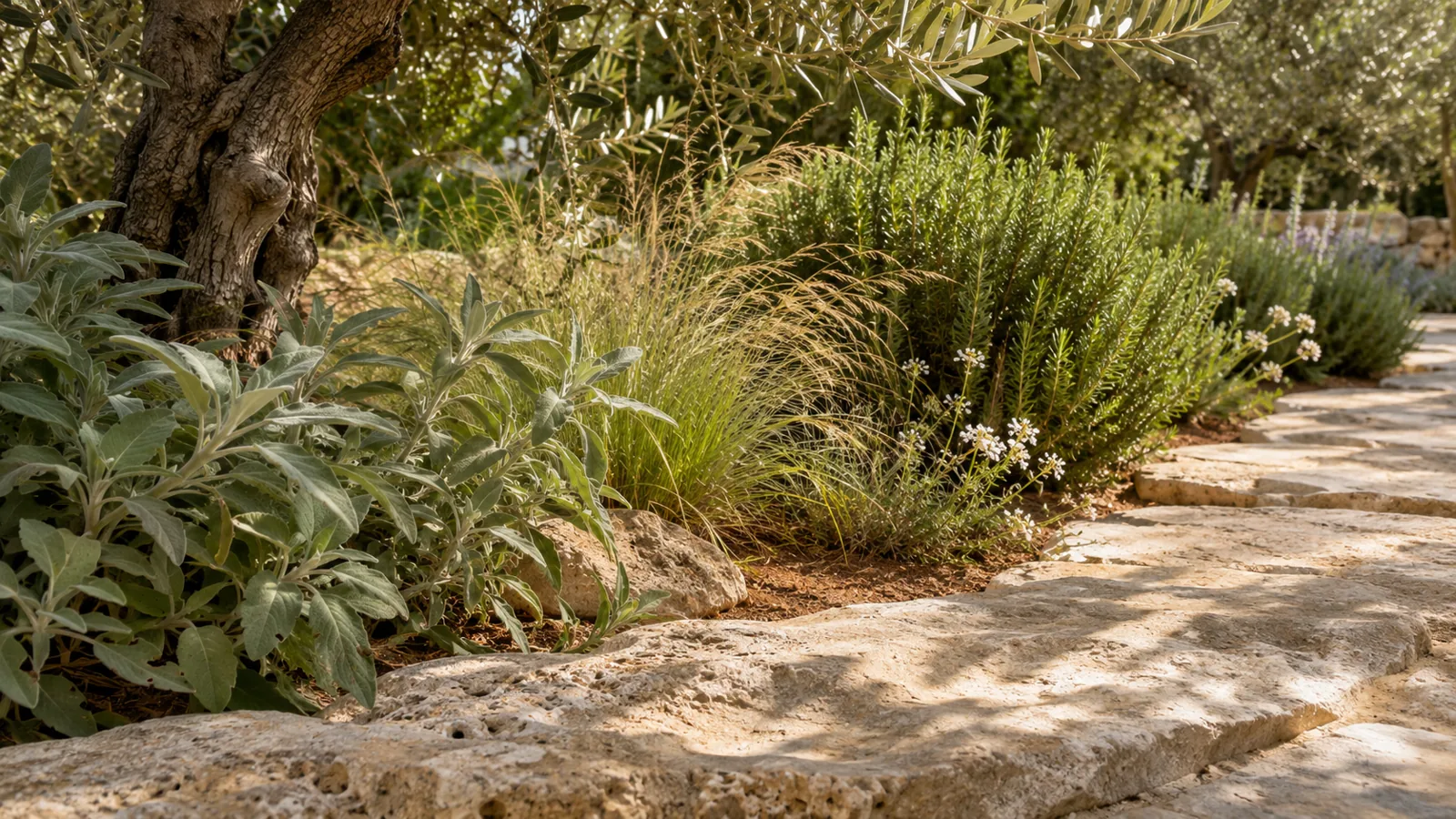
Not every space needs everything at once. A planted border can be a good first step. So can a clearer path, a more comfortable place to sit or a practical plan for the next season.
Compare garden servicesDifferent services produce different work. What connects them is a shared brief, an agreed area and a clear record of what follows.
Bring the routes, light, people and priorities of your own space. A consultation turns that conversation into a written starting-point summary.
A consultation provides advice and a starting direction. Measured drawings and a planting specification are separate services.
Read the consultation scope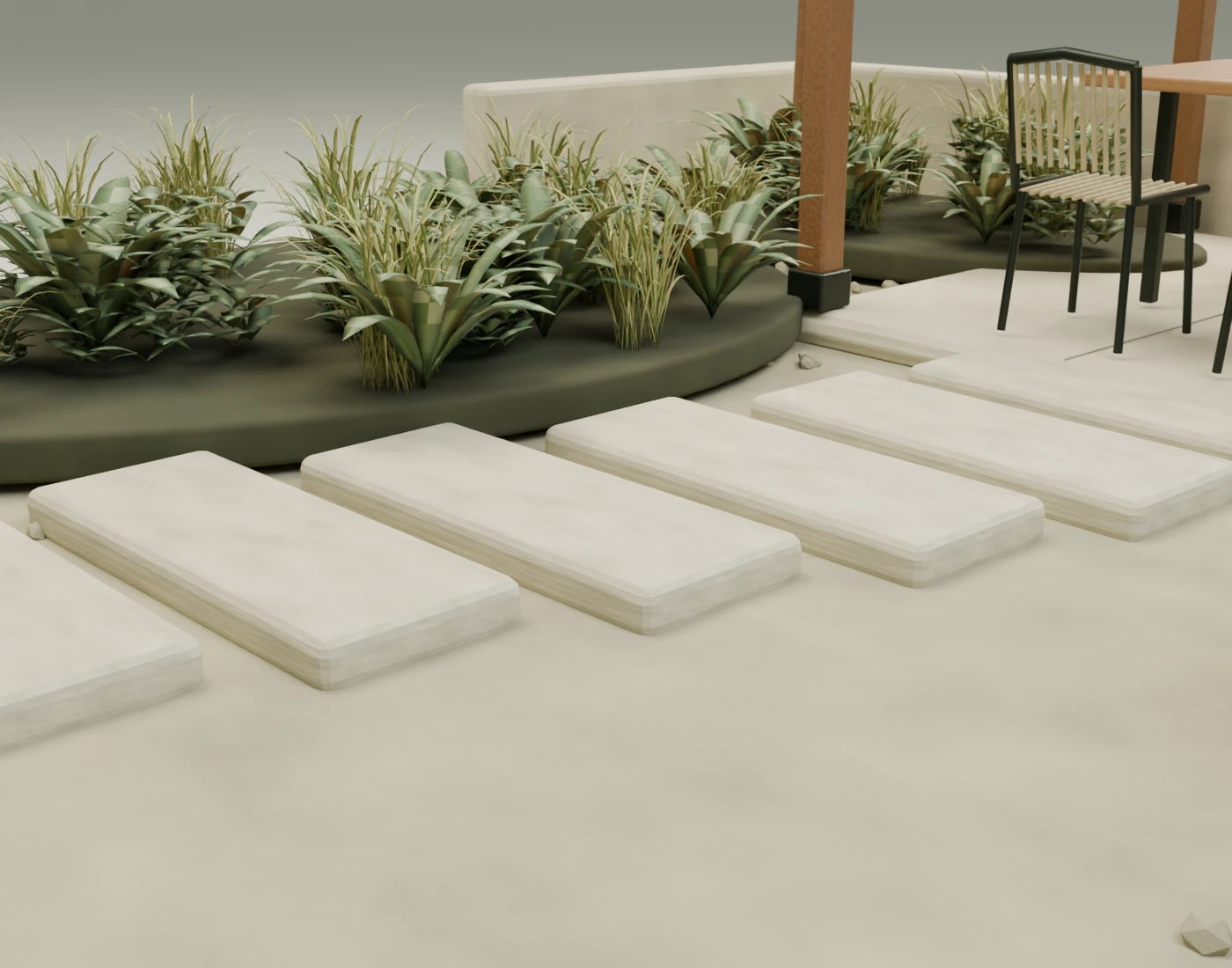
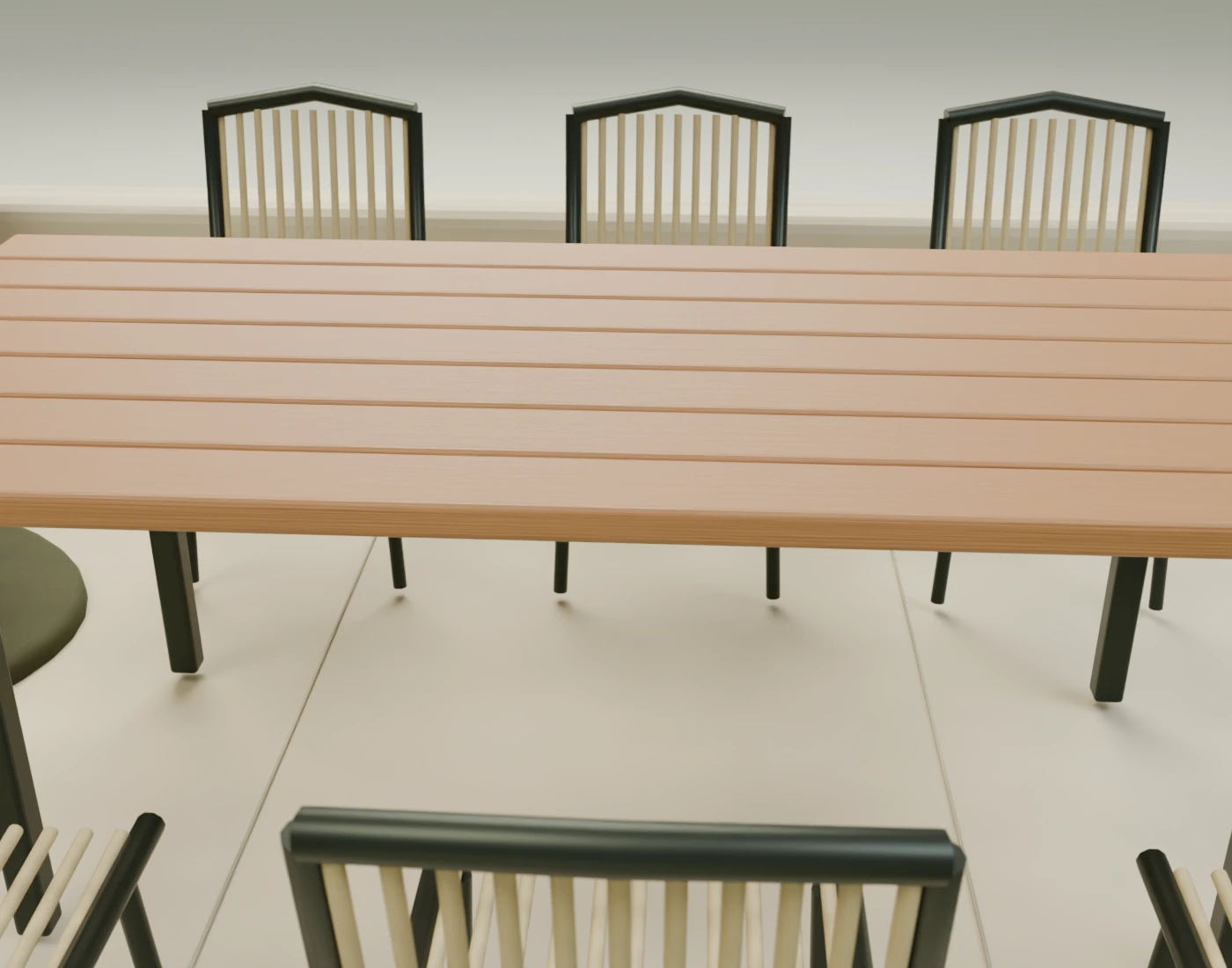
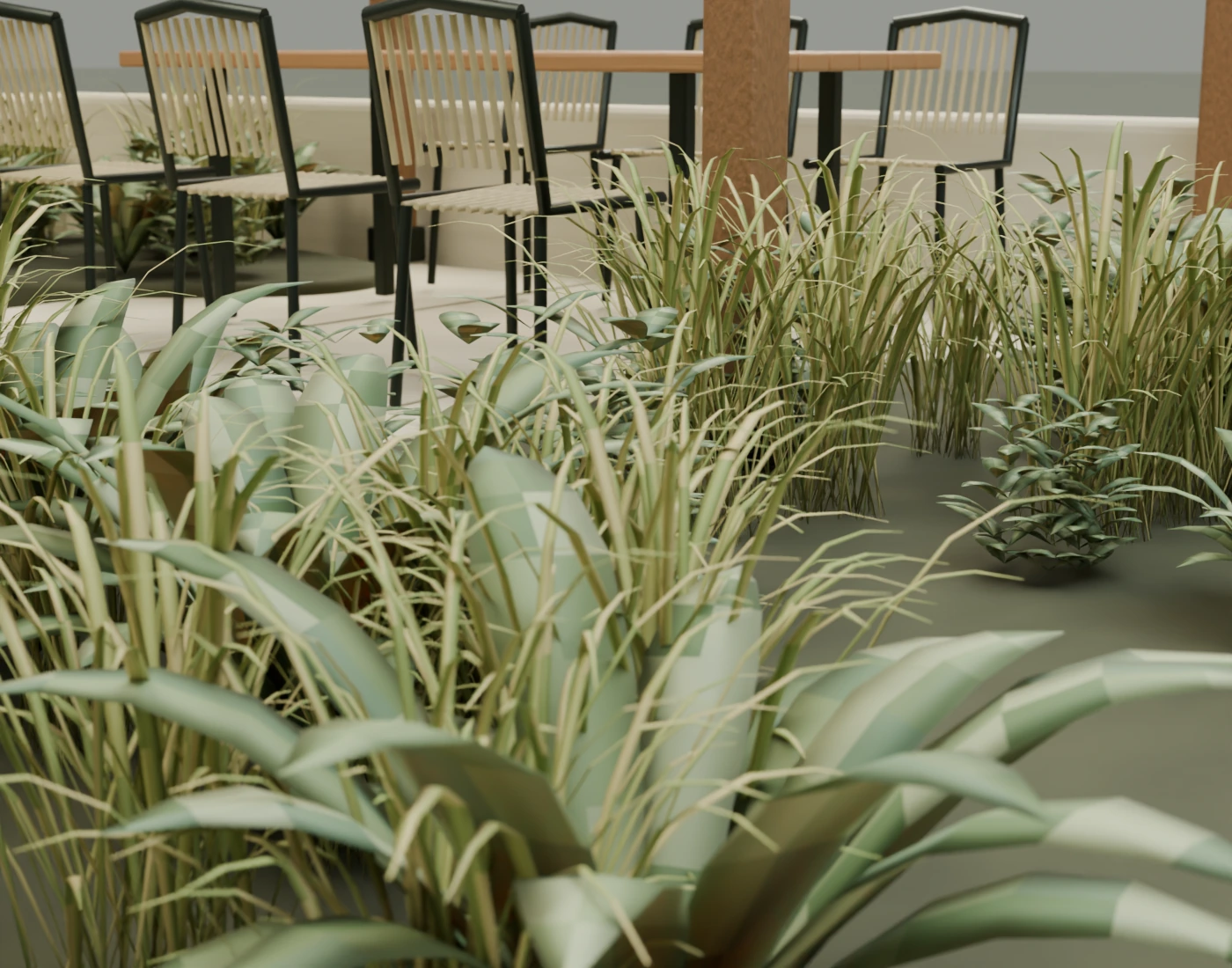
A planting plan develops placement, spacing and a plant schedule for an agreed area. A landscape concept connects access, usable space and planting zones.
The right output follows the brief. Design documentation, material direction and installation are not interchangeable promises.
Compare the design outputsThe part of the garden being considered.
The work included in the written scope.
Supply, specialist work and installation.
Agree what needs to happen first and what can wait. Keep the design output, specialist advice and building work clear before a later phase begins.
Surveying, engineering, permits, construction documents and building are separate from a landscape concept.
Discuss your prioritiesThree things worth noticing before the next decision. Useful observations, brought from your own garden into a conversation.
Photograph the garden at the hours you would actually use it. Note where it feels welcoming, exposed or difficult to sit.
A morning photograph and an evening photograph can begin a useful conversation.
One image records one moment. It does not establish a full sun study or a plant specification.
Keep a short record of plants to retain, dry or damp patches and the paths you use. Look closely before deciding what needs to change.
Bring the existing garden into the brief, including the parts you would like to keep.
Plant health, soil and site conditions need a closer, site-specific review.
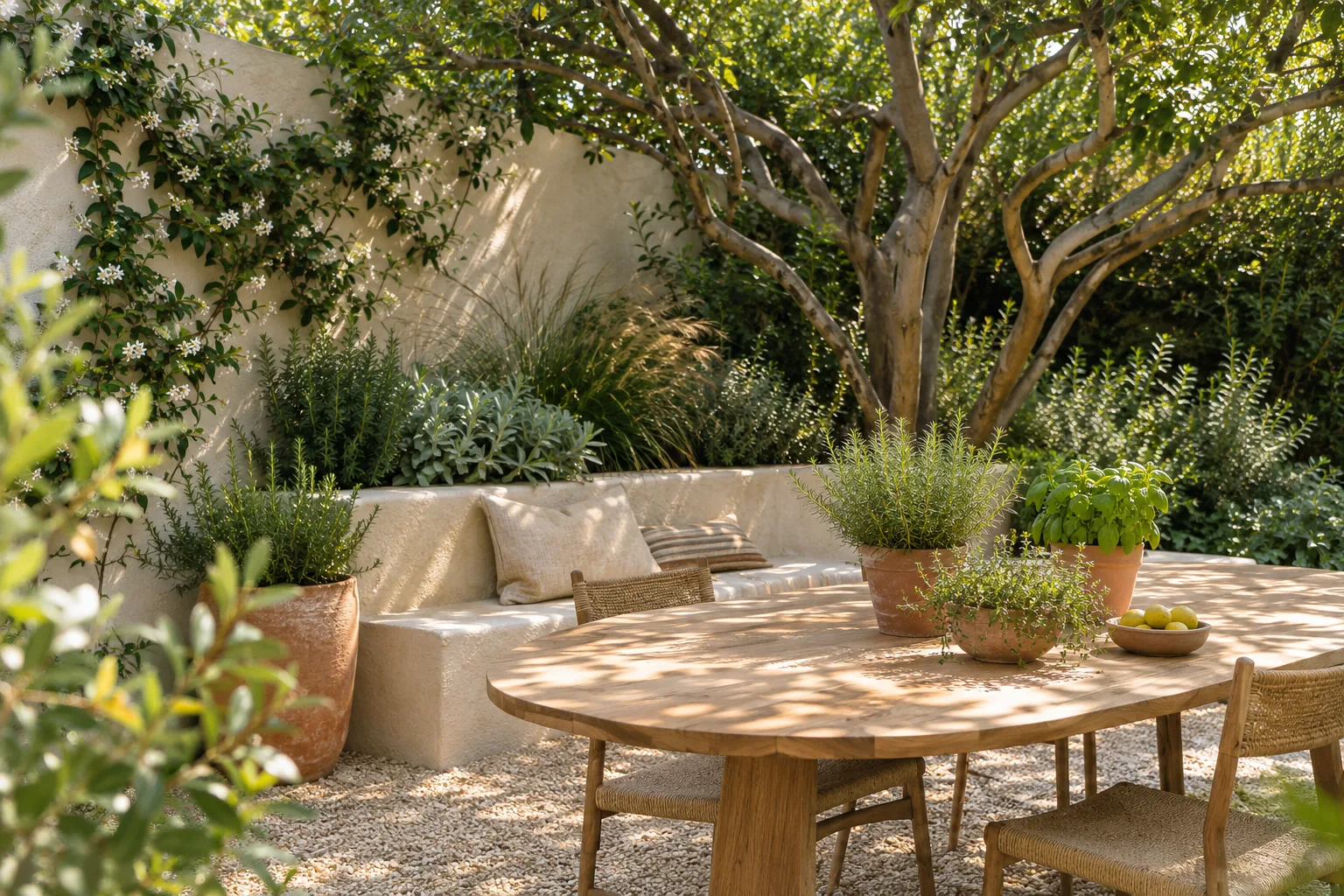
Think about the time and help available for watering, routine pruning and establishment care. A garden should belong to the life around it.
An agreed task list is more useful than a promise of a maintenance-free garden.
Specialist tree work, waste removal, pest treatment and replacement plants are agreed separately.