
FIELDWORK / LANDSCAPE & GARDEN
Life,
just outside.
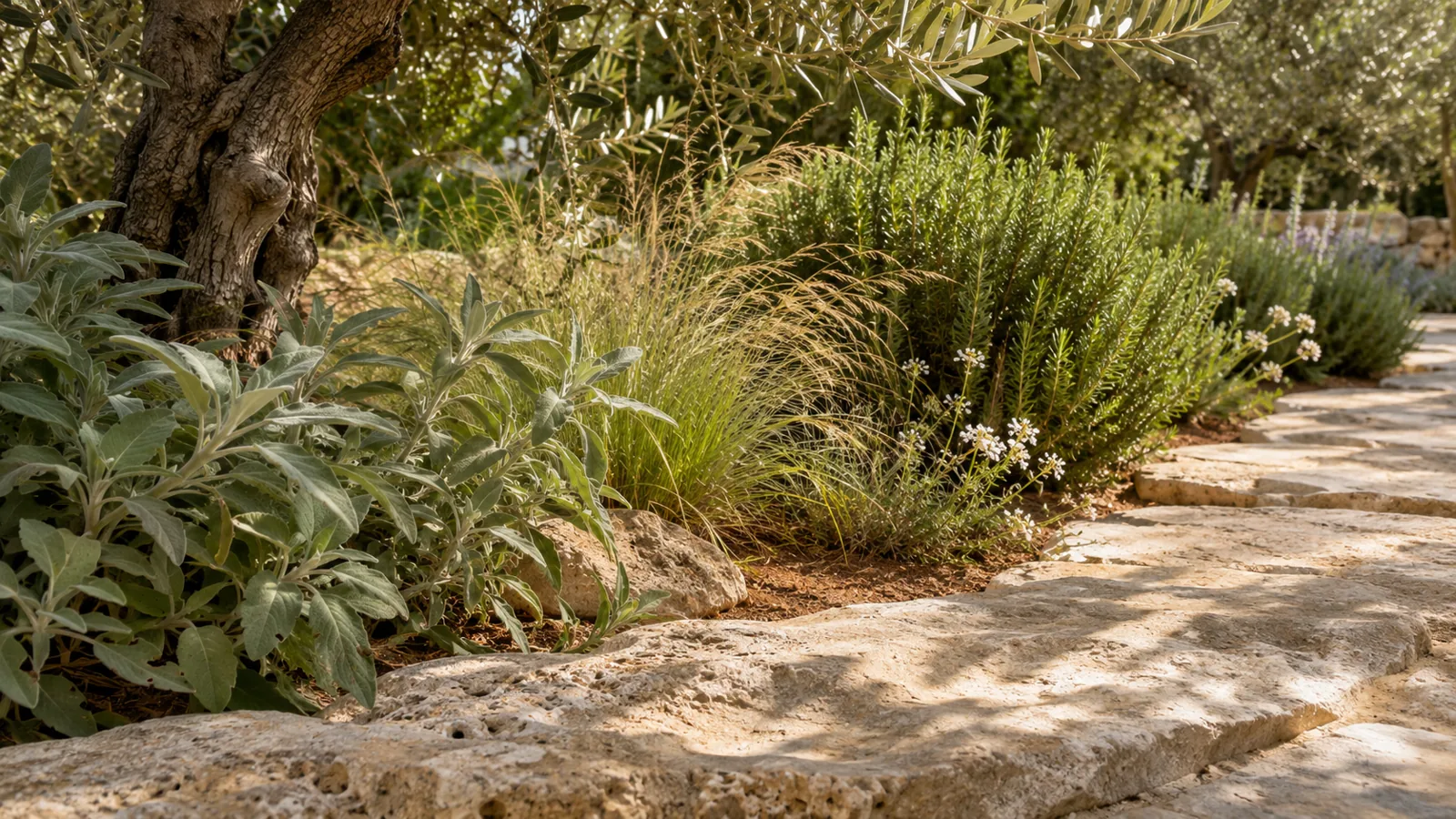
An invitation to notice
the place you already have.
A FEW OBSERVATIONS. A BETTER STARTING POINT.
Look at the light. Follow your everyday routes. Notice what already grows.
A little understanding makes the next conversation more useful.
FIELDWORK / LANDSCAPE & GARDEN
An invitation to notice
the place you already have.
BEFORE WE BEGIN
You don’t need all the answers. Bring the things you notice and the one thing you would most like to change.
A fieldbook for observations, followed by a site-specific conversation and an agreed scope.
01 / NOTICE THE LIGHT
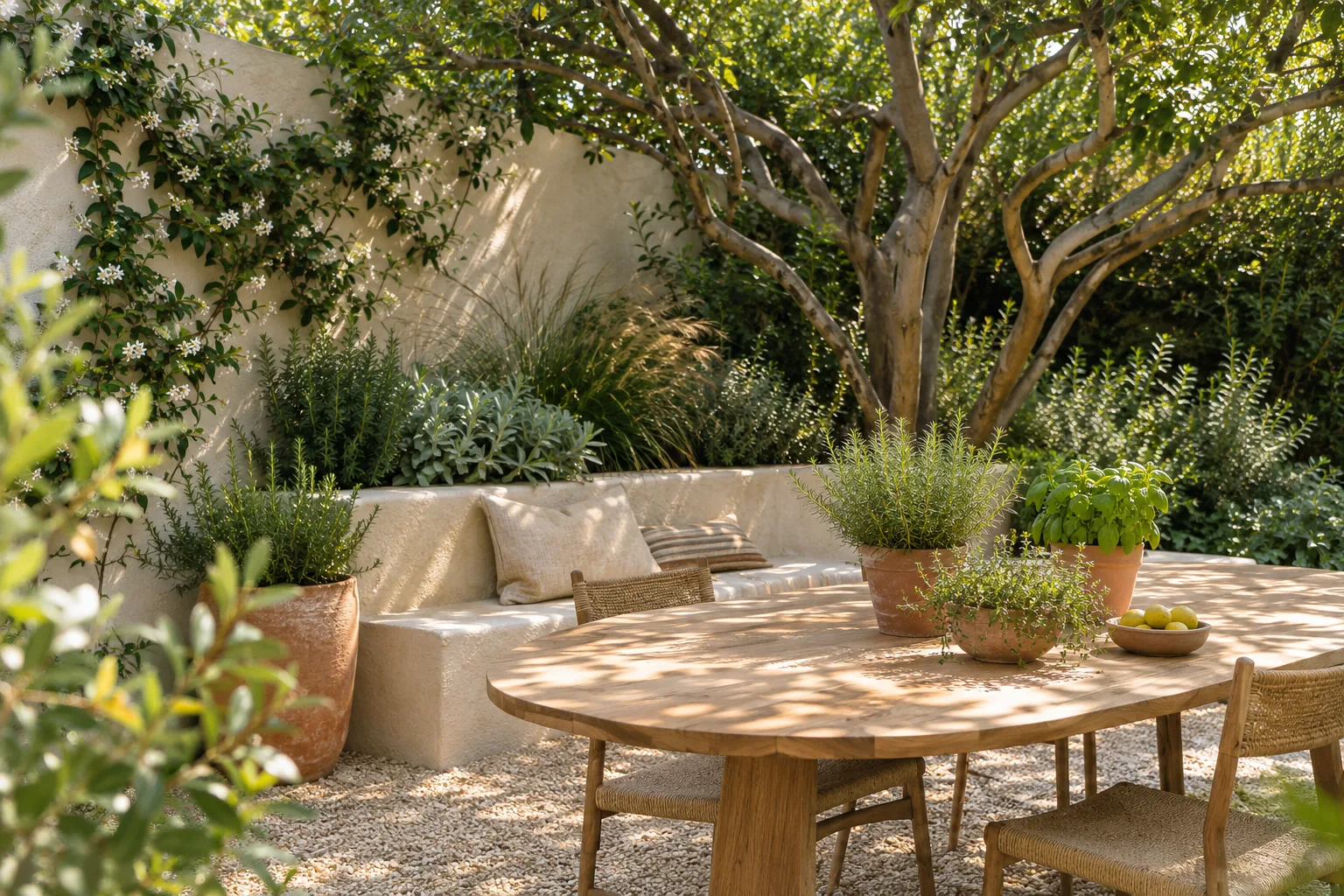
A garden is somewhere to spend time. Start with when you would like to be there, then notice where light and shade fall.
01 / TAKE A LITTLE NOTICE
Photograph your garden in the morning and later in the day. Include the corners where you want to sit, grow or pass through.
A quiet morning, lunch outside or time together after work.
Note where the light reaches and which areas stay shaded.
Bring one priority to the conversation. The direction follows the site.
02 / READ THE ROUTES
Seven stones lead in. A six-seat table gives the gathering place a purpose. Three planted beds soften the edges.
02 / THE IDEA IN ITS PLACE
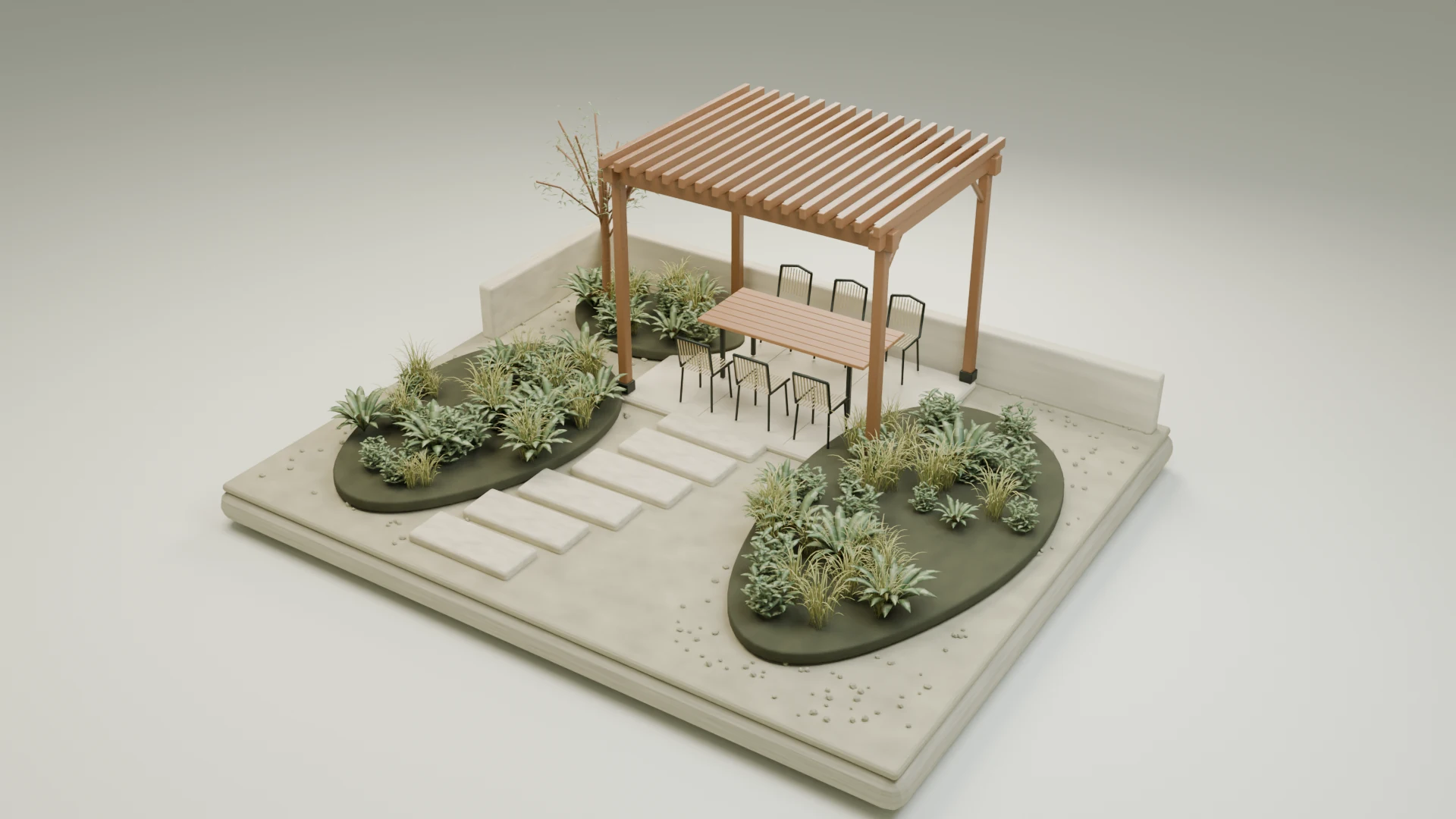
Where do you walk every day? Keep the route legible, understand changes in level and make room around the places you use.
Read the courtyard studyA concept illustrates relationships. Access, dimensions and construction require your own site review.
03 / MAKE ROOM TO GROW
Broad leaves beside fine grasses. Silver-green beside deeper green. A clear edge keeps planting and the route in conversation.
03 / LOOK CLOSER
A planting plan considers placement and spacing together. The final palette follows light, soil, climate and the care available.
What a planting plan includesA photograph can begin a discussion. It does not establish that a plant is suitable for your garden.
04 / MAKE CARE REALISTIC
An agreed task list is more useful than a promise of a maintenance-free garden.
Record existing plants, damp or dry patches and the routes you use.
Consider routine watering, seasonal pruning and establishment care.
Bring recurring concerns and the tasks you would like to discuss.
04 / A SEASONAL CONVERSATION
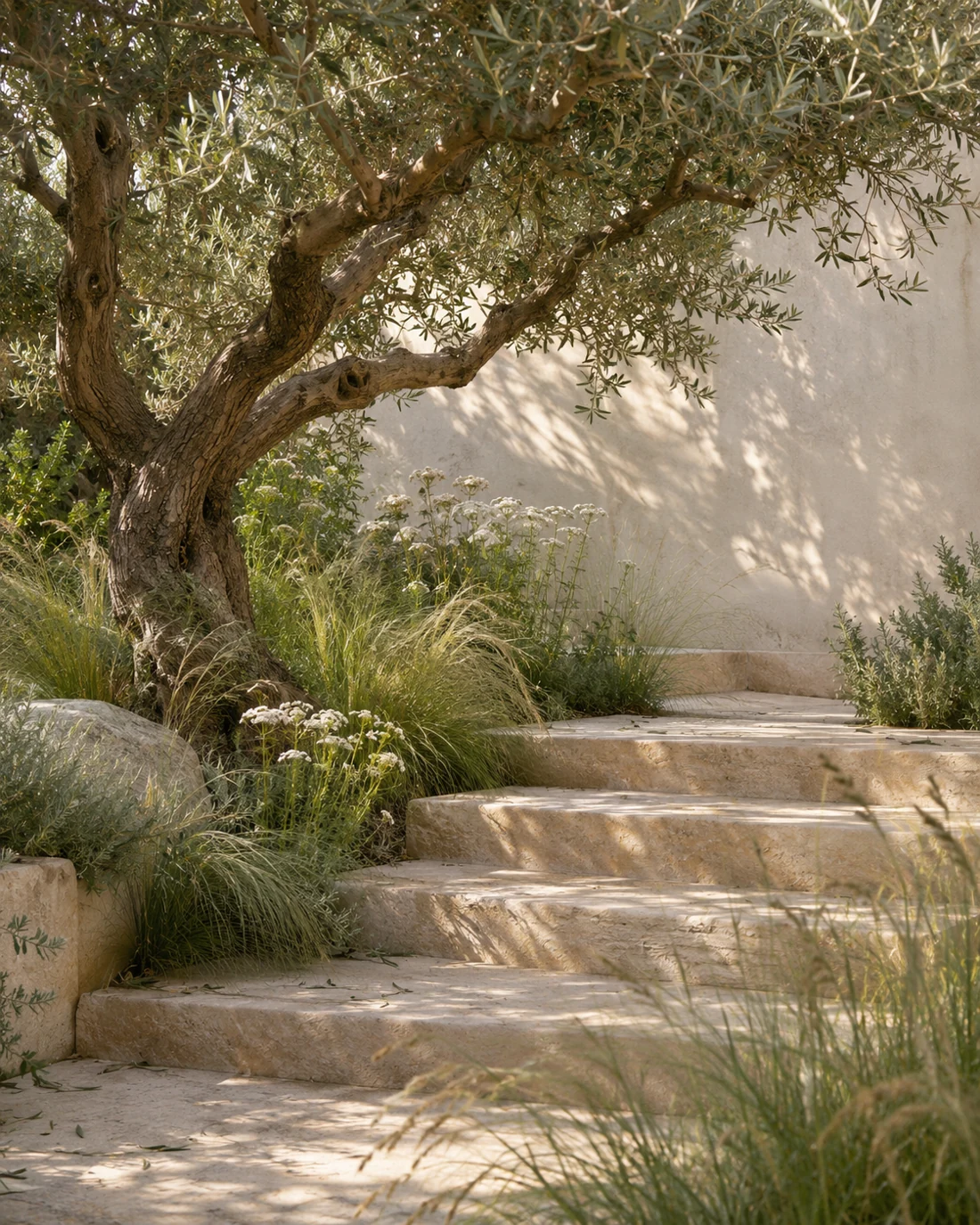
A seasonal review considers plant condition, watering patterns and routine care, then sets a prioritised task list.
Tree work, waste removal, pest treatment and replacement plants need separate agreement.
Read the seasonal care scope05 / BRING THE USEFUL THINGS
A few photographs and approximate dimensions. Include the door, access and the corners you find difficult.
Who uses the space, when they use it, and the one change that would make the most difference.
What matters first, what can wait and the level of ongoing care that feels realistic.
Start with what you know. A conversation can identify what needs a closer look.
05 / START WITH ONE THING
A route that feels easier.
Somewhere to gather.
Planting with a clearer direction.
A routine you can manage.
Choose the thought that matters most. Bring it with your photographs and a little about the life around your garden.
Begin with a garden conversation06 / FIND YOUR FIRST STEP
Find a conversation that fits. Each service follows the conditions of your space and a written scope.
Read every service and scopeTHE NEXT CHAPTER IS YOURS
Tell us about the garden you have and the one thing you would like it to do for you.
Request a consultationYour inquiry is reviewed before you save it. A saved inquiry starts a conversation; an appointment or work is agreed separately.
Before we begin01 / 07
Keep a few observations.
Bring them to the conversation.